10 tropical fruits to try in Bali
Bali’s markets are bursting with tropical fruits your kids may never have seen before: scaly snake fruit, hairy rambutan, purple mangosteen… Exploring Bali is also about discovering new flavours! Here are 10 exotic fruits to try during your trip, how to recognise them and the best ways to enjoy them.
10 tropical fruits to try in Bali
1. Snake fruit (Salak)
Its brown, scaly skin looks just like snakeskin and feels slightly prickly. Simply pinch the tip to peel it away. Inside, you’ll find pale, crunchy segments with a sweet and slightly tangy flavour. Watch out for the large seeds!
Balinese salak is particularly well known in the Sibetan area, in the east of the island.
2. Mangosteen (Manggis)
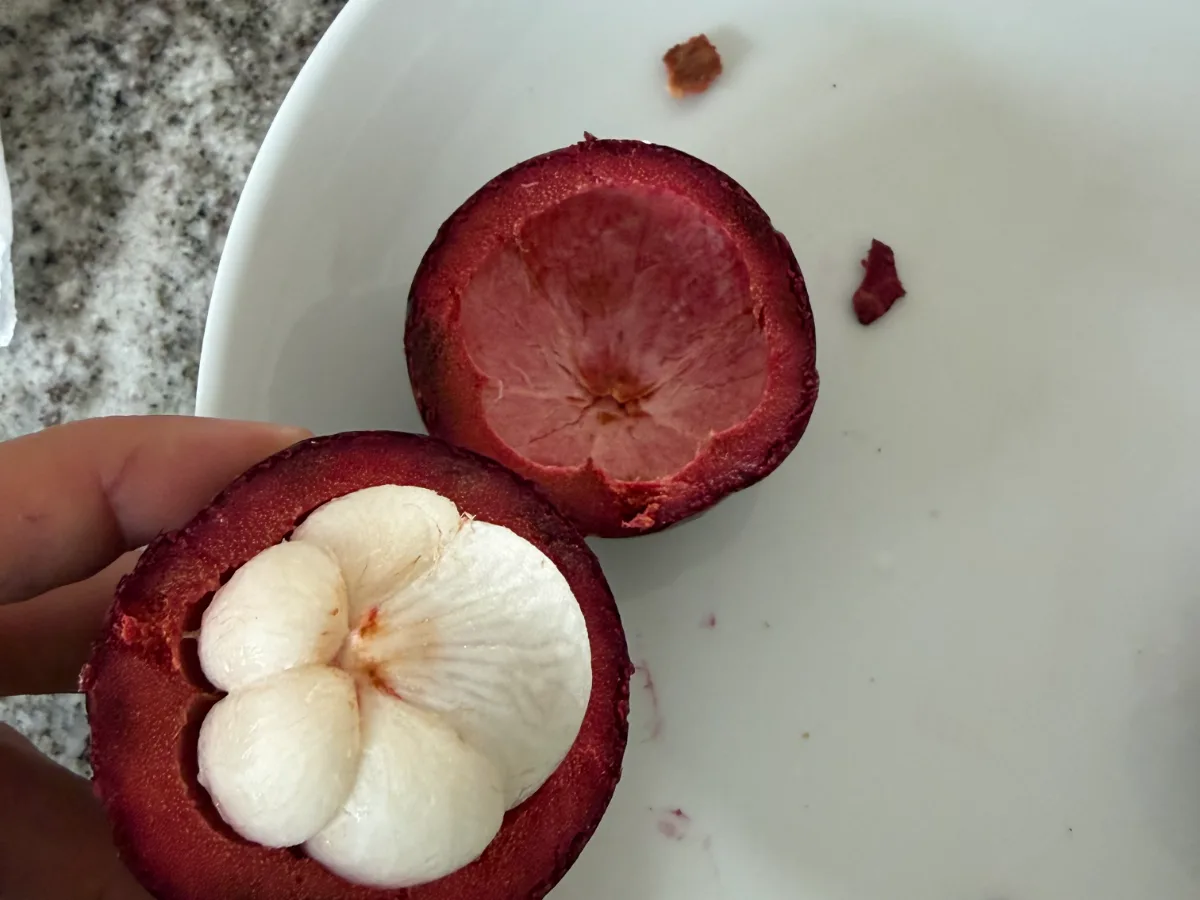
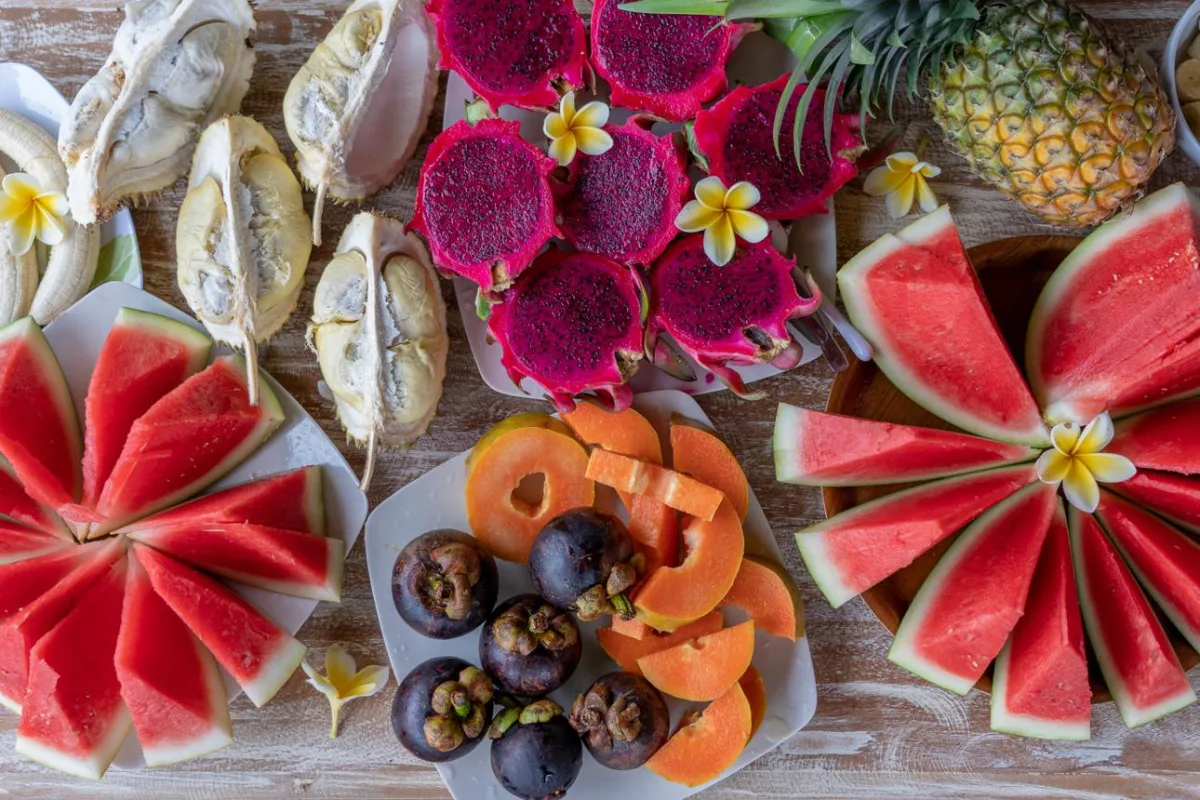
Beneath its thick, dark purple rind are soft, juicy white segments with a deliciously sweet and slightly tangy flavour. It’s known as the queen of fruits!
Be careful, though: the juice from the rind can stain your clothes.
3. Rambutan (Rambutan)
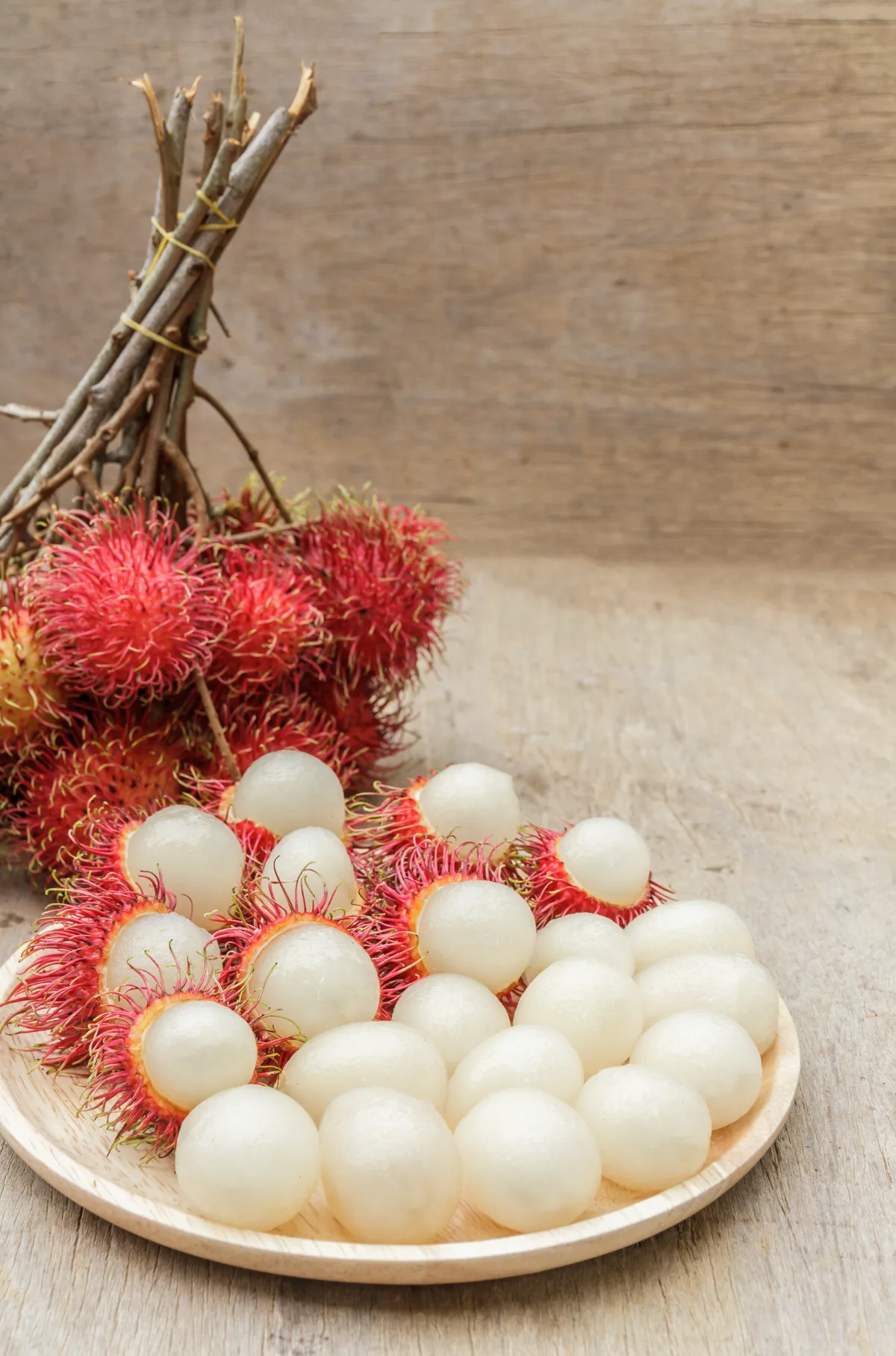
With its bright red skin covered in soft, hair-like spikes, this unusual fruit always catches children’s attention. Peel it open with your fingernail to reveal translucent flesh that tastes similar to lychee. Be careful not to bite into the seed.
4. Dragon fruit (Buah naga)
Easily recognised by its bright pink skin and often green-tipped scales, dragon fruit has white or vibrant pink flesh dotted with tiny black seeds.
Its flavour is mild and refreshing. The pink-fleshed variety can stain your tongue and even turn your wee pink – much to the amusement of the kids!
5. Durian (Durian)
Known as the king of fruits, this enormous, spiky fruit is famous for its rather distinctive smell. Some hotels even ban guests from bringing it inside!
Its creamy flesh is definitely an acquired taste: you either love it or hate it. Why not give it a go at a local market?
6. Jackfruit (Nangka)
Jackfruit is the largest fruit that grows on a tree and can weigh several dozen kilos!
Its yellow flesh has a sweet, almost candy-like flavour. When unripe, jackfruit is also commonly used in Indonesian cooking to prepare savoury dishes.
7. Young coconut (Kelapa muda)
Sip the refreshing coconut water through a straw, then scoop out the soft flesh with a spoon.
A must-have for a relaxing afternoon at the beach in Bali!
8. Passionfruit (Markisa)
Inside its shell is a fragrant pulp filled with crunchy little seeds. Depending on the variety, its flavour can be sweet or slightly tangy.
Enjoy it straight from the fruit with a spoon or as a refreshing juice.
9. Soursop (Sirsak)
Green and covered in soft little spikes, soursop has white, slightly fibrous flesh with a sweet and tangy flavour.
It’s delicious in juices and smoothies. Remember to remove the black seeds, as they are not edible.
10. Water apple (Jambu air)
Pink, red or sometimes white, this little bell-shaped fruit is crunchy, incredibly juicy and quite mild in flavour.
A lovely, refreshing snack on a hot day!
And there’s more…
Don’t miss the small local bananas, which are also delicious as banana fritters (pisang goreng), juicy mangoes, pineapples, fresh papaya at breakfast, or even an avocado and chocolate smoothie – a surprisingly popular Indonesian treat.
When are these fruits in season in Bali?
Some fruits are generally available all year round, including bananas, papaya, coconuts and snake fruit.
Others, particularly rambutan, mangosteen and durian, are often more abundant during the rainy season.
Availability can vary depending on the harvest and the region.
Where to buy tropical fruits in Bali
You’ll find them at traditional morning markets, roadside fruit stalls, local fruit shops and supermarkets.
Don’t hesitate to ask the local vendors which fruits are in season. It’s a great way to discover something new!
Our tips for travelling with kids
Turn fruit tasting into a little family game! Let your children choose a fruit they’ve never tried before, discover its flavour and give it a score. By the end of your holiday, everyone can pick their favourite!
Remember to wash or peel the fruit before eating it and remove any inedible seeds or stones.
My kids’ favourite? Mangosteen! As for papaya, they absolutely hate it and insist it tastes like vomit… And they still haven’t been brave enough to try durian!
Become a little explorer of Bali’s tropical flavours!
You’ll find several of these tropical fruits in My Bali Explorer Passport, a fun and educational travel activity book designed for children aged 5 to 10.
For older explorers aged 8 to 14, the Bali Exploration Journal (French edition) includes a page to record their food discoveries and a fun game to learn how pineapples, cacao and vanilla grow.