What Animals Can You See in Bali? Discover the Island’s Wildlife
In Bali, sometimes all you need to do is look up, explore the rice fields or even glance at your bedroom ceiling to discover some fascinating wildlife! From cheeky monkeys to colourful birds and tiny creatures hiding in the trees, here's a guide to the animals you might spot during your trip, from the easiest to find to the more elusive ones.
Wild Mammals in Bali
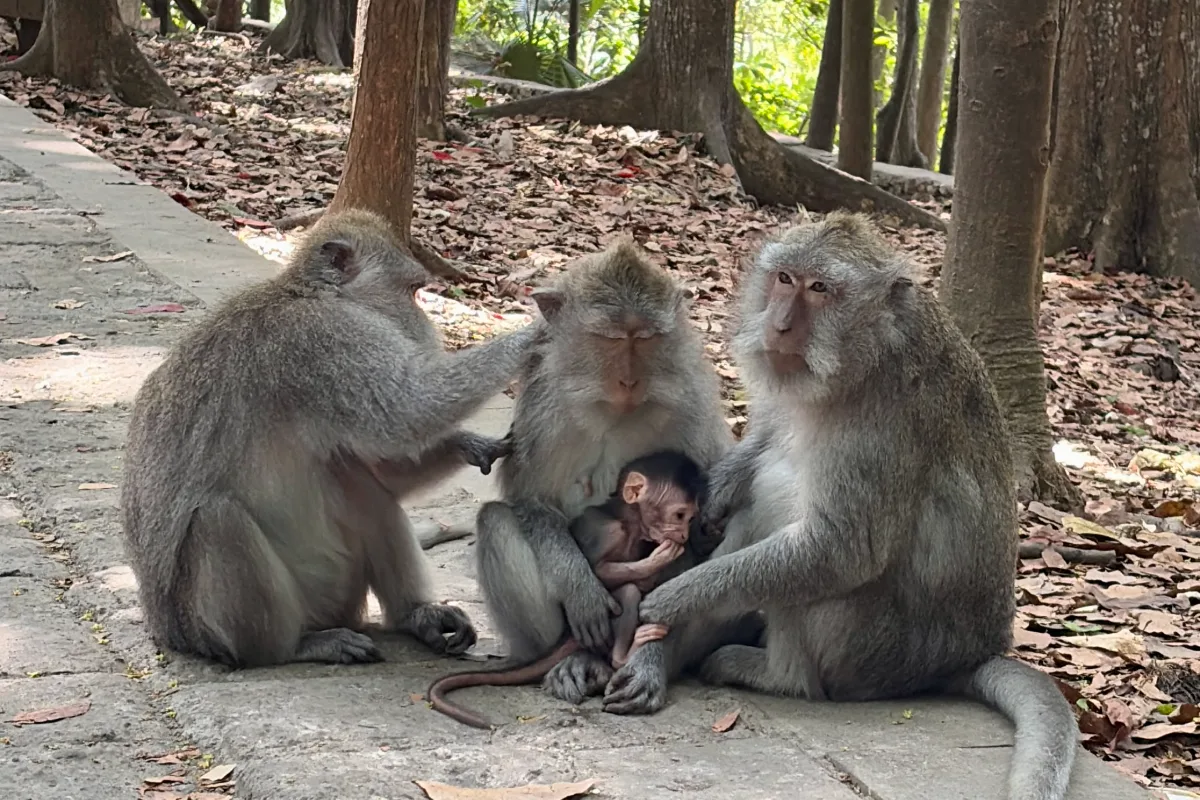
Long-tailed macaque
Probably the most iconic animal you'll come across in Bali!
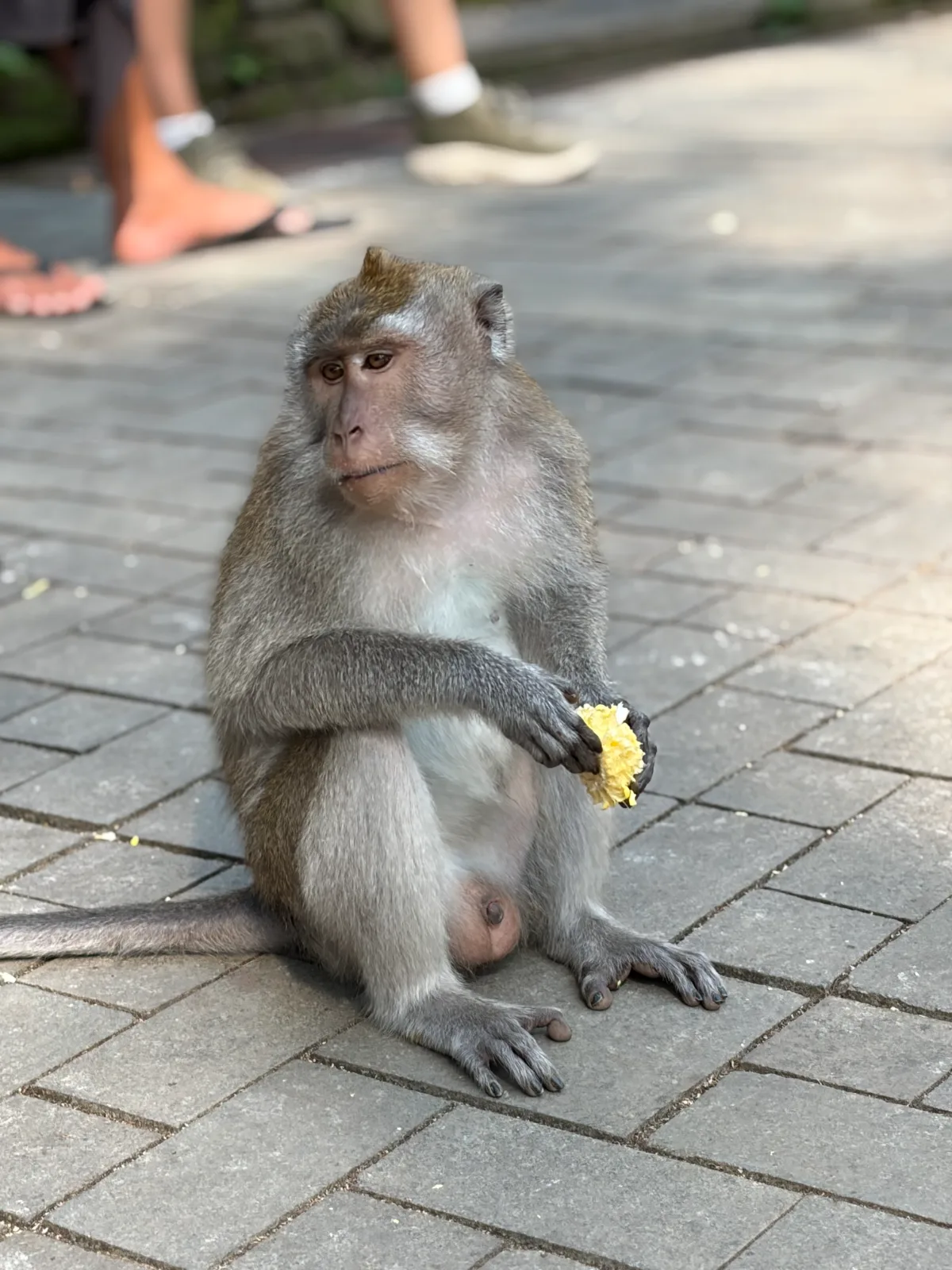
You can easily spot these monkeys at Ubud Monkey Forest, Sangeh Monkey Forest or Uluwatu Temple.
Highly intelligent and incredibly opportunistic, macaques won't hesitate to steal your sunglasses, food or even your phone if you're not paying attention. And trust me, they're much faster than you!
Always observe them from a safe distance, never try to touch them and don't feed them.
Plantain squirrel
Keep an eye on the branches and coconut palm trees!
This little brown squirrel, recognisable by the stripes along its sides, moves incredibly quickly from one branch to another.
You might spot one in gardens, plantations or even from your hotel terrace.
Flying fox
Have you ever seen a bat that looks a bit like a little fox?
Flying foxes are large fruit-eating bats. Unlike what many people imagine when they think of bats, they mainly feed on fruit and play an important role in spreading seeds.
Look up around dusk and you might just spot one flying overhead!
Javan rusa deer
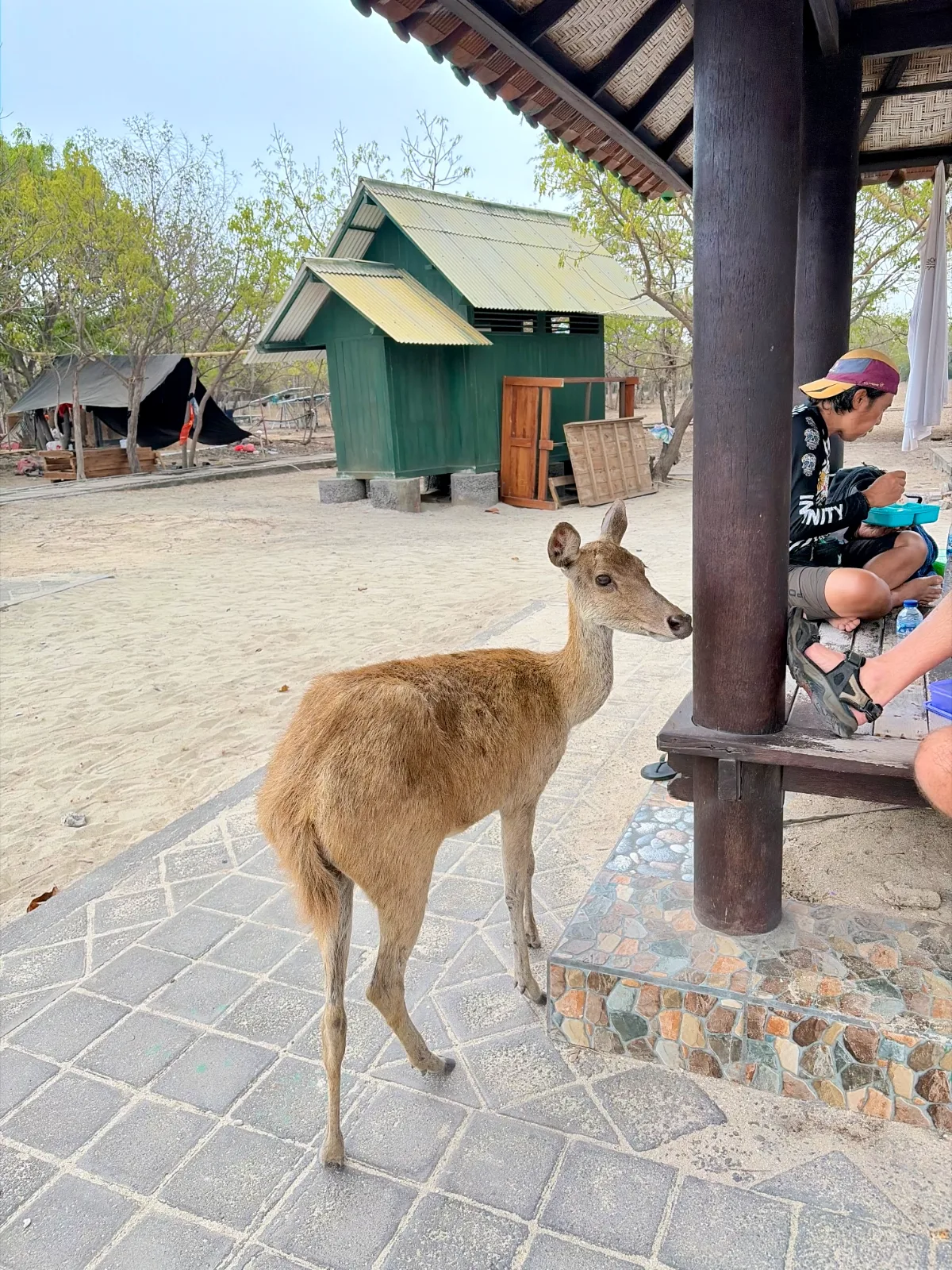
Also known as the Javan deer, this species can be found in West Bali National Park (Bali Barat), in the north-west of the island.
You can also spot them on the small island of Menjangan, whose name actually means "deer" in Indonesian.
A great opportunity to combine wildlife spotting and snorkelling on the same excursion!
Luwak (Asian palm civet)
The luwak, or Asian palm civet, is a small nocturnal mammal with a long tail.
It's best known for the famous kopi luwak, a coffee made from beans collected after they've passed through the animal's digestive system.
Yes, you've understood exactly where those coffee beans come from!
These animals are very difficult to spot in the wild, but unfortunately, you may see them kept in cages at some coffee plantations.
Personally, I wouldn't recommend supporting this practice.
Reptiles and Amphibians
Common house gecko
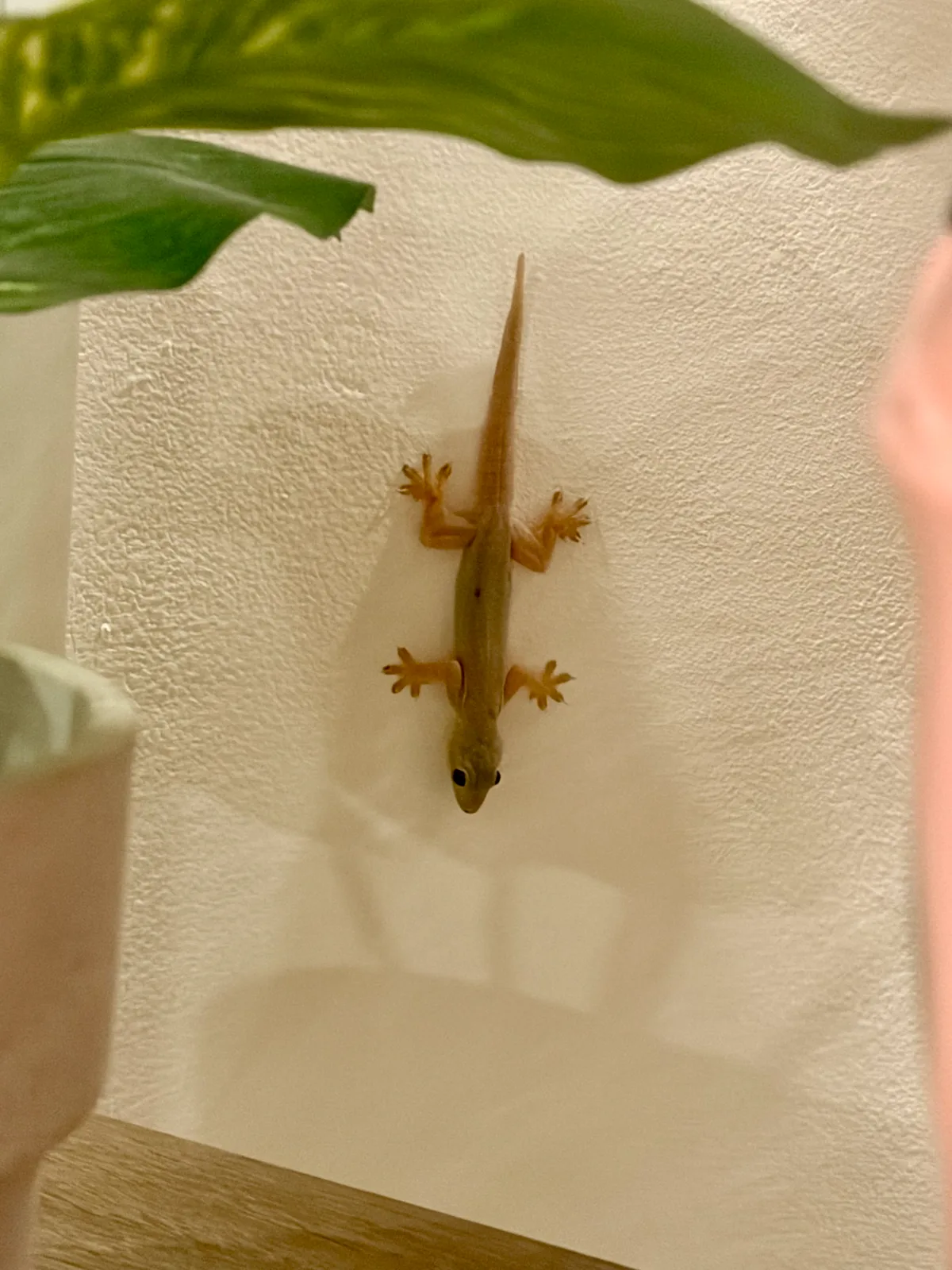
You probably won't have to look very far to find this one. It might even be sharing your bedroom!
This small lizard, known as cicak in Indonesian, can climb walls and ceilings thanks to its specially adapted feet, which allow it to grip all sorts of surfaces.
It mainly feeds on small insects, so leave it alone! It's actually quite useful for keeping mosquitoes under control.
Tokay gecko
Much larger than the common house gecko, the tokay is easily recognisable by its bluish-grey skin covered in orange spots.
You'll probably hear it before you see it, thanks to its distinctive call: "To-kay! To-kay!" And yes, it might decide to wake you up in the middle of the night!
It often hides in trees, beneath roofs or behind wooden beams.
Be careful, though, as it can bite if it feels threatened. Look, but don't touch!
Asian water monitor
With its bulky body, long tail and forked tongue, it looks like a little dinosaur!
These large lizards love areas close to water, so keep your eyes open near rivers, rice fields and ponds.
And no, it's not a Komodo dragon! Those don't naturally live in Bali.
Flying lizard
Now here's a pretty incredible little creature!
The Draco lizard has membranes of skin supported by elongated ribs, which it can spread out to glide from one tree to another.
It doesn't actually fly, but it can travel several metres through the air.
It's incredibly well camouflaged against tree trunks, so you'll need sharp eyes to spot one!
Snakes
Yes, there are snakes in Bali, including some venomous species.
They can be found in gardens, rice fields and wooded areas, although they generally prefer to avoid humans.
If you come across one, give it plenty of space and never try to move or catch it.
Frogs and toads
As evening falls, especially after the rain, you'll often hear a whole chorus coming from the rice fields!
Frogs and toads love damp environments, and some even decide to make themselves at home in villa gardens.
Birds in Bali
Herons
You'll often see large birds, many of them white, walking between the rice plants in search of food.
Rice fields are great places to spot herons and egrets.
You can also visit the village of Petulu, just north of Ubud, where large numbers of herons gather in the trees towards the end of the day.
Bali myna
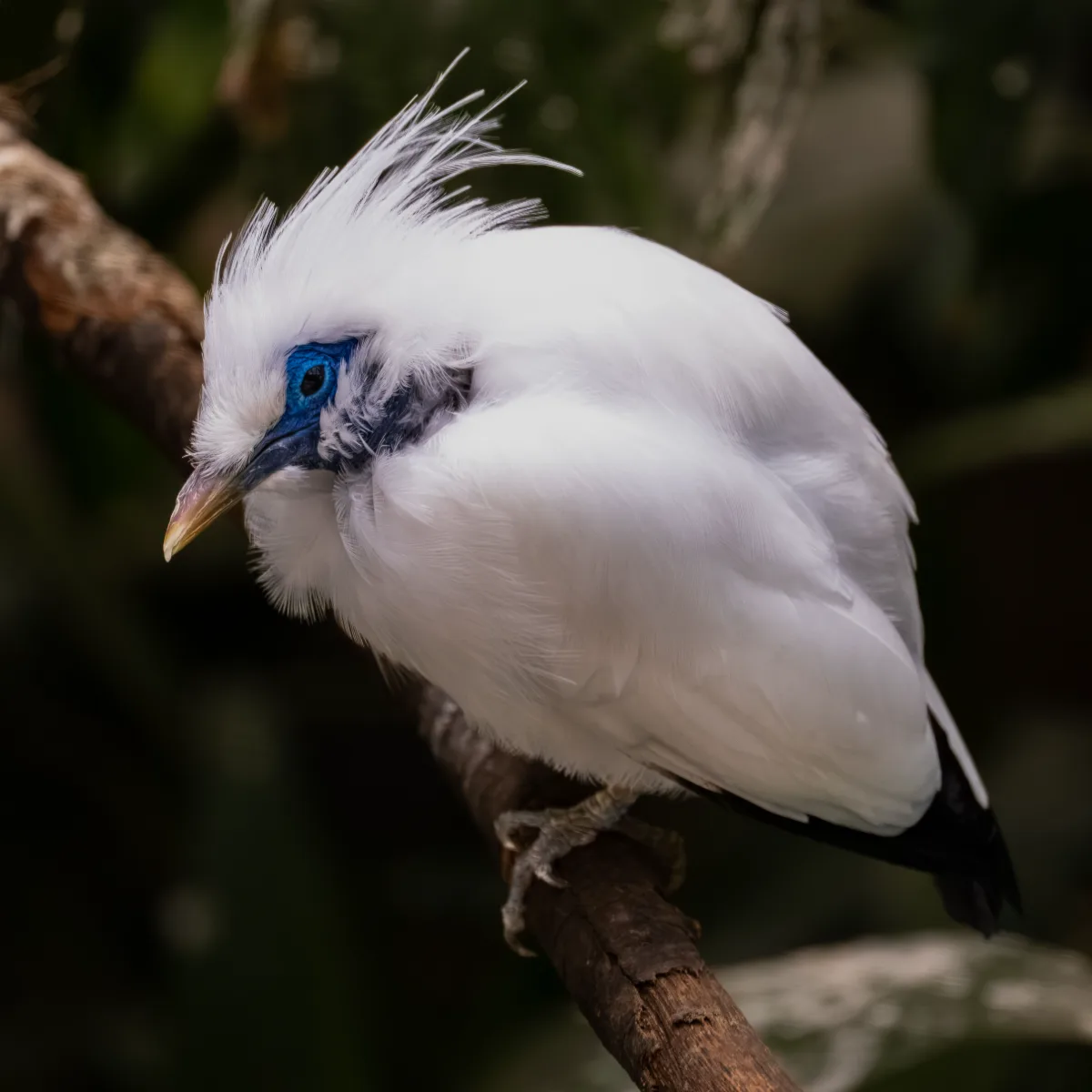
With its beautiful white feathers, little crest and bright blue skin around its eyes, the Bali myna is endemic to the island, meaning it naturally comes from Bali and nowhere else.
Unfortunately, it's now critically endangered, mainly because of poaching and the illegal bird trade.
Conservation programmes are working to protect the species and reintroduce birds into the wild.
West Bali National Park is one of the main places where you might be lucky enough to spot one living freely.
Bali's Little Creatures
Butterflies
Big, small and every colour imaginable, you'll regularly come across butterflies in gardens and flower-filled areas.
Some tropical butterflies are particularly impressive because of their size!
Weaver ants
These clever little ants build their nests by pulling leaves together and using silk produced by their larvae to hold them in place.
Now that's teamwork!
If you notice a bunch of leaves joined together in a tree, take a closer look. It might be a weaver ant nest.
Just don't disturb them, they're pretty good at defending their territory!
Spiders
Well, anyone who knows me will tell you that spiders are definitely NOT my favourite animals!
You might spot some pretty large spiders building webs between trees, sometimes right above little walking paths.
And occasionally, you'll even find a massive one on your bedroom ceiling!!
Millipedes
These little creatures love damp places, particularly beneath fallen leaves and in gardens.
Be careful not to confuse them with centipedes, some of which can deliver a painful bite.
When in doubt, admire them from a distance!
Everyday Animals in Bali
They're not wild animals, but they're very much part of Bali's landscapes and everyday life.
Bali cattle
You'll regularly see these cows grazing along roadsides or near rice fields.
Bali cattle are descended from the wild banteng and can often be recognised by their pale lower legs and distinctive white patch on their rump.
Water buffalo
Traditionally used for agricultural work, particularly in rice fields, water buffalo are easily recognised by their large horns and imposing build.
They're also part of a traditional event in western Bali called Makepung, where pairs of buffalo race while pulling small carts.
Roosters
If you're planning to enjoy a nice sleep-in during your Bali holiday… good luck with that!
Roosters are part of everyday village life, and you'll probably hear them at just about any time of day.
Or night, for that matter!
Ducks
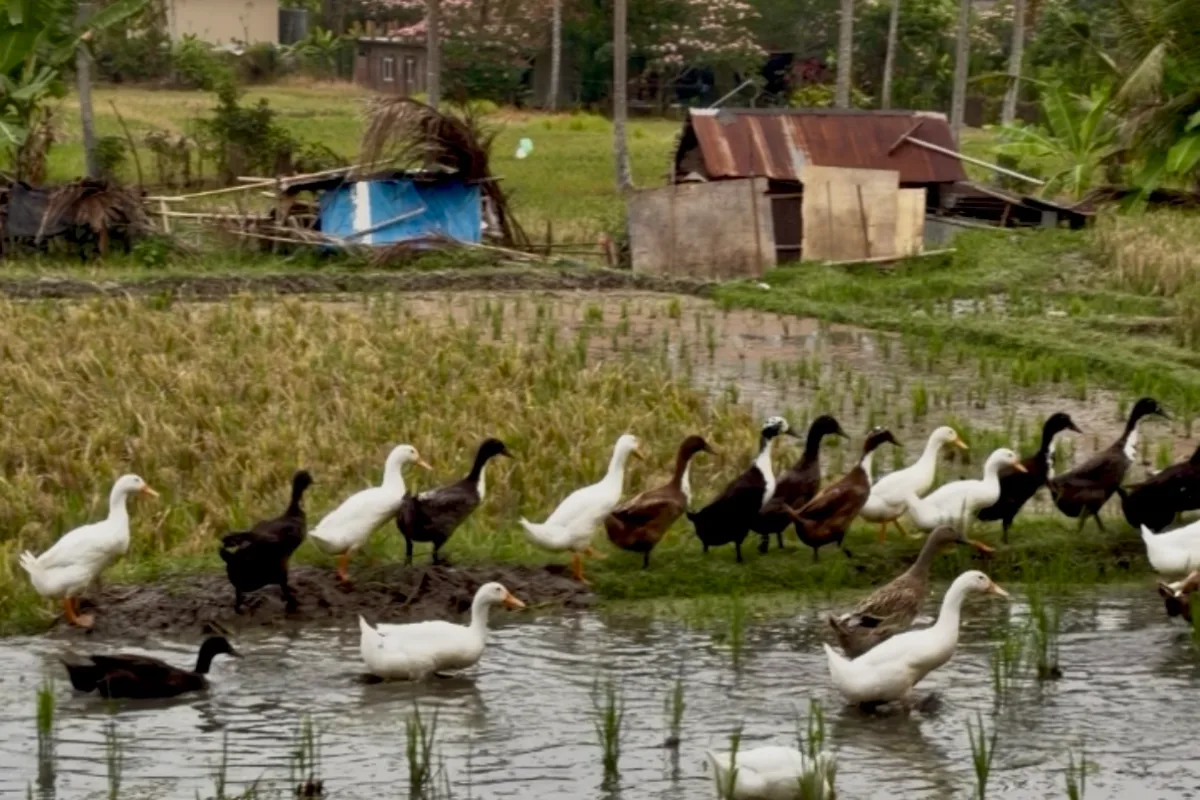
You might come across entire flocks of ducks wandering through Bali's rice fields.
But did you know they can actually help farmers grow rice?
As they move through the flooded fields, their webbed feet stir up the mud and help control weeds. They also feed on insects, snails and leftover grains.
And as a bonus, their droppings act as a natural fertiliser!
Not bad for a bunch of little farm assistants!
Dogs
Dogs are everywhere in Bali. Many belong to local families, even if they wander freely through the streets.
As cute as they might be, teach your children not to pet unfamiliar dogs, especially as rabies is still present in Bali.
Where Can You Spot Animals in Bali?
You don't need to plan a separate excursion for every animal!
- In gardens and villas: geckos, squirrels, butterflies and other little creatures.
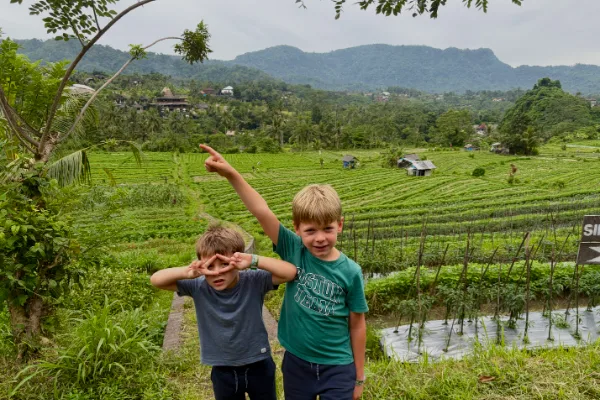
- In rice fields: herons, frogs and ducks.
- In forests and temples: macaques and other forest animals.
- Near rivers and waterways: water monitors, birds and amphibians.
- In West Bali National Park: Javan rusa deer, Bali mynas and other wildlife.
Remember to look up, check the tree trunks and listen to the sounds around you.
And most importantly, take your time! Sometimes it's just when you stop looking for an animal that it finally decides to make an appearance.
How to Observe Wildlife Responsibly
Here are a few simple rules to teach your kids:
- Never feed wild animals.
- Don't try to touch or catch them.
- Observe wildlife without disturbing it.
- Avoid attractions that exploit wild animals.
- Respect their habitats and never leave rubbish behind.
If you or your child is bitten or scratched by a mammal that could carry rabies, immediately wash the wound thoroughly with soap and running water for at least 15 minutes and seek medical attention straight away, even if you've been vaccinated against rabies.
Turn Your Kids into Little Bali Explorers!
Recognising a gecko, spotting a squirrel in a tree or watching a water monitor near a river… What if every wildlife encounter became a little adventure?
That's exactly why I created my Bali explorer books: to encourage children to be curious about the world around them.
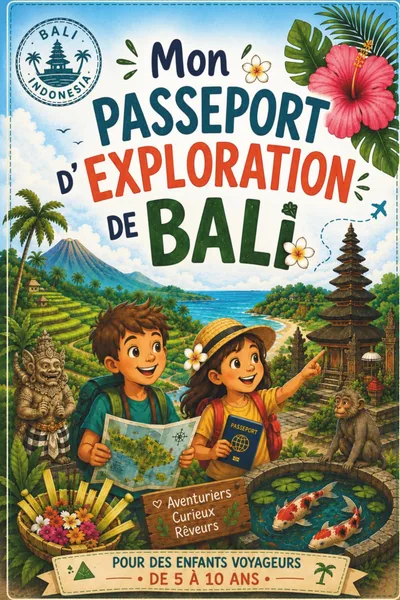
My Bali Explorer Passport, designed for children aged 5 to 10, encourages young travellers to spot the island's animals, recognise them and keep track of their discoveries. It's also available in French.
For older explorers, the Bali Exploration Journal (French edition), designed for ages 8 to 14, includes missions, games and plenty of discoveries to make along the way.
So, how many animals will your kids manage to spot during their Bali adventure?